
 In our last class and final week of our digital marketing course we are revising all the great learning the students have done over the past couple of months. There are a number of key areas to focus on in getting to grips with Digital Marketing. The modules we looked at were Customer Analysis, Social Media, Mobile Marketing, SEO, Google Analytics and Email Marketing. Here we’re going to look back at some of these and explain their uses and why they are important.
To begin with it is useful to provide a framework which allows companies make decisions and manage their digital marketing activity. We looked at the SOSTAC planning model. This process goes through 4 basic questions that businesses need to ask themselves – Where are we now? or Situational Analysis. Where do we want to be in the future? Goal setting. How do we get there? Develop strategies. How can we be sure we arrive? Implementation, measurement and control.
For Digital marketing this means a major focus on your customers, their online activity, their media consumption and buying habits, their use of digital technology and creating an in-depth profile of your customer or a persona analysis.
The explosion and adoption by consumers of social media platforms has led to a whole new media channel for business to engage and communicate with their customers. Understanding the way these platforms are used is critical to achieving successful outcomes. Your brand needs to become part of the conversation with messages that encourage interaction and are useful to your customer. Social media is not a sales platform but rather a place where you can listen and add value to your customer’s experience with your brand.
73% of consumers use their smartphones while shopping. This has led to a whole new purchasing pattern for your customer and one where the store has become more about experience and less about price and product benefits. This is because customers will shop around online while they are in your store. Geo location, QR codes, SMS, augmented reality and apps are just some of the technological aids that businesses can use to enhance their customer experience.
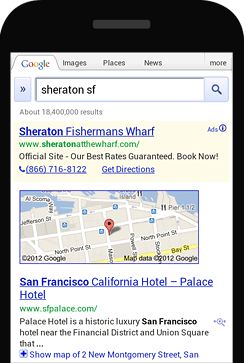
SEO – Search Engine Optimisation ensures that your website is visible to your customers. Keywords, Link building and content are basic elements to pay attention to. Visual elements such as photos and videos and geo location are important to both PC and mobile search.
The digital space is interactive and always on. Measurement tools such as Google Analytics allows you to calculate your ROI and make amendments to your campaigns on an ongoing basis. Site traffic, conversions, referrals and sources of traffic are all measurable through these reports. Ensure that you have well-defined, measurable objectives and defined action outcomes from this valuable information.
Email marketing is probably the oldest of the digital tools but one that remains a core part of most businesses’ digital campaigns. Its ability to deliver personalised messaging and use as a retargeting tool will ensure that email stays in the digital mix. Combining Social Media and email strategies has proven to be a powerful mix in engaging and converting customers.
 With all this focus on online activity it is important to remember that we live in a real world. While the digital space is exciting, innovating and offers many opportunities remember to begin with your customer and match their needs with the benefits and value of your products and services in the places where they consume their media.
Thank you for following the students and me over this 10 week course. I’ll be back in January with a whole new class and course. See you then!



 Maeve Nunan