Week 10 – Digital Marketing – What you need to know.

socialIn our last class and final week of our digital marketing course we are revising all the great learning the students have done over the past couple of months.  There are a number of key areas to focus on in getting to grips with Digital Marketing. The modules we looked at were Customer Analysis, Social Media, Mobile Marketing, SEO, Google Analytics and Email Marketing.  Here we’re going to look back at some of these and explain their uses and why they are important.

To begin with it is useful to provide a framework which allows companies make decisions and manage their digital marketing activity.  We looked at the SOSTAC planning model.  This process goes through 4 basic questions that businesses need to ask themselves – Where are we now? or Situational Analysis. Where do we want to be in the future?  Goal setting.  How do we get there? Develop strategies.  How can we be sure we arrive? Implementation, measurement and control.

For Digital marketing this means a major focus on your customers, their online activity, their media consumption and buying habits, their use of digital technology and creating an  in-depth profile of your customer or a persona analysis.digital-marketing

The explosion and adoption by consumers of social media platforms has led to a whole new media channel for business to engage and communicate with their customers.  Understanding the way these platforms are used is critical to achieving successful outcomes.  Your brand needs to become part of the conversation with messages that encourage interaction and are useful to your customer.  Social media is not a sales platform but rather a place where you can listen and add value to your customer’s experience with your brand.

73% of consumers use their smartphones while shopping.  This has led to a whole new purchasing pattern for your customer and one where the store has become more about experience and less about price and product benefits.  This is because customers will shop around online while they are in your store.  Geo location, QR codes, SMS, augmented reality and apps are just some of the technological aids that businesses can use to enhance their customer experience.

SEO – Search Engine Optimisation ensures that your website is visible to your customers. Keywords, Link building and content are basic elements to pay attention to.  Visual elements such as photos and videos and geo location are important to both PC and mobile search.

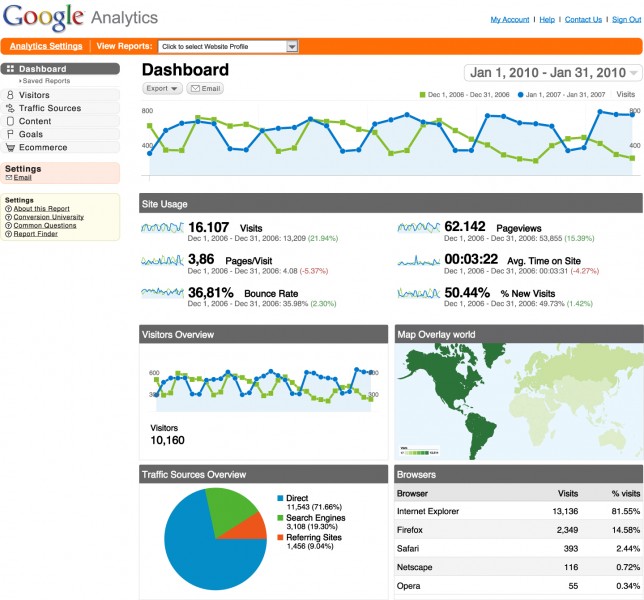
The digital space is interactive and always on.  Measurement tools such as Google Analytics allows you to calculate your ROI and make amendments to your campaigns on an ongoing basis.  Site traffic, conversions, referrals and sources of traffic are all measurable through these reports.  Ensure that you have well-defined, measurable objectives and defined action outcomes from this valuable information.

Email marketing is probably the oldest of the digital tools but one that remains a core part of most businesses’ digital campaigns.  Its ability to deliver personalised messaging and use as a retargeting tool will ensure that email stays in the digital mix.  Combining Social Media and email strategies has proven to be a powerful mix in engaging and converting customers.

The-Digital-American-2013With all this focus on online activity it is important to remember that we live in a real world.   While the digital space is exciting, innovating and offers many opportunities remember to begin with your customer and match their needs with the benefits and value of  your products and services  in the places where they consume their media.

Thank you for following the students and me over this 10 week course.  I’ll be back in January with a whole new class and course.  See you then!

Week 8 – How to find the right data that counts from Analytics

200163425-001This week the students are looking at where to start with using Google Analytics reports and what information matters.  If you haven’t already linked Google analytics to your website, then set up a Google account and place the Analytics code on each page of your site. Your web developer can do this for you also.

You can spend a lot of time going through data without a focus on what  you need to know. Stay focused on three things:  Data, Insights and Action. What you are looking for is information that will help you make decisions to improve your website and make it easier for your users to get what they are searching for.  One of the topical sets of data that businesses look at, presently,  is the  number of visitors who are accessing their websites through their mobile phone or tablet.  This insight will inform your decision on your need for a mobile friendly site.  Get information that lets you better understand your website users’ behaviour to take actions that are useful and relevant.

So now what?  Before you go to the extensive reports that Google supply begin with a pen and paper and write down the three main reasons why your website exists.  This will give you a set of objectives for your website.  Next list the things your website needs to do or what you want the visitor to do.  These are your website goals.  Then list the groups of people that matter most to your website.  This is your target audience.  With these three categories of information you are now ready to identity the data that you need.  In Analytics speak this data is called KPI’s – Key Performance Indicators.  A KPI might be the number of downloads of a ‘white paper’. the number of subscriptions to a newsletter or the number of repeat visits to a particular page.  Put numbers on these KPI’s with specific targets and a time period to achieve them.  Now you are ready to get the reports from Google Analytics.  google-analytics-dashboard1-644x600Create a dashboard with the reports that are most important to you and set a comparison on the data you get from one month to the next so you can see the historical performance of your site to identify trends in the data.

The final stage is to use this data to make useful, actionable decisions for your business.  For example a company maybe focusing its efforts in one geographic location but see that their website visitors are coming from a different location.  Changing your strategy to incorporate this new location will impact positively on your business.

Next week we will be looking at email as part of a Digital Marketing Strategy.

Week 3: Who are you talking to and where are they?

UncleSamIts Week 3 of our course and a fundamental piece of work that is required in digital marketing is to identify who your customers are and where they are online.  At first glance it seems a daunting task.  The traditional method of segmenting a target audience into primary and secondary target audiences still applies.   In addition it is essential that you get data that informs you where they are online, how they use social media platforms, view media and use mobile devices

MT-Ultima-Family-Group-150x150You can begin your search online with sites such as Comscore, IAB. Amarach and Comreg.  These sites publish research on Irish consumers and their internet usage.   Setting up online surveys and polls is another way to get this information.  Of course nothing beats picking up the phone or having a discussion with your existing customers to ask them:   how they watch their favourite TV programmes, how they share with their friends and what they are doing differently with new technology.  With this information you can produce a profile of your different target audience segments.  This is best done by creating a ‘personna’  for each segment.  Create a storyboard that sets out in pictures who your customer is.

AudienceProfile

This will clearly show what age they are, what type of clothes they wear, what music they listen to, what books they read, who are their favourite celebrities and influencers.  What sports they play and follow, what car they drive and holidays they go on. Include what technology they use, how they use mobile phones and tablets, what websites they visit, what they search for online and how they use mobile when shopping. In addition to a storyboard, Hubspot, an American online marketing company have developed a great template for doing this work. Buyer Persona Template .  Use this template to see how you would describe your customer.  It will help you to answer how they interact online and how your product or service can help them.

Matching your customers’ needs with your company’s products and services requires curiosity, determination and a willingness to go the extra mile.  Spend time seeking this information out.

On week 4 we will be looking at Social Media and how large and small companies are using these platforms.

Week 2: Cutting through the Clutter of Planning your Digital Marketing

Marketing is notorious for jargon and Digital Marketing is no different. It is easy to get confused with processes and systems that companies follow to create and implement digital campaigns. Start by understanding the steps that are required. In all planning processes there are four key steps:

Where are we atThe first step is all about establishing where we are now.  This is often described as Situational Analysis and for a digital marketing campaign you will need to gather information.  Begin with competitors’ digital activities, consumer digital media usage and their behavioural patterns.  Listening online is a great place to start.  Set up Google alerts for key words that apply to your market.  Use software like Radion 6 that monitors social conversations on multiple channels and search for articles, blogs and videos related to your market.

Where do we want to beThe next step is to decide where do we want to be in the future.  What would success look like in that future.  Set out goals and objectives that are clear, realistic and within an agreed time frame. Creating awareness and building relationships with your target audience are often common objectives.  Quantify the number of connections you expect, the number of unique visitors to your website  and the level of engagement you want to achieve.

Digital Marketing PlanningThe third step is working out how to meet our goals.  Here we develop digital marketing strategies that fit with our objectives, target audience and products and services.  Digital Marketing strategies are simply the decisions you make on the tools you need to implement a campaign.  What are the channels, the message and the timing?  Always check to ensure that these activities are aligned with where you want to go and are consistent across multiple platforms.

How Can we be sureThe final step is ensuring that you know if you have achieved success.  With Google analytics, Insights data on Facebook and other social media platforms you can measure impressions, website traffic, engagement and sentiment.  This data will allow you to amend and adapt your activities as you monitor them.  Ensure you regularly collect and analyse the data and communicate these reports to the team.

On week three of the course we will look at Target Audience Profiling.

Where to Start with Digital Marketing

Digital-media-channels - CopyThis week sees the start of a ten week course in Digital Marketing.  Follow my blog each week to stay in touch with what we are covering in class. The course is designed to equip you with the knowledge to understand the main functions of online marketing and how companies use these platforms to meet business objectives.  It starts with understanding the framework to produce digital marketing strategies and communication plans.  It is all too easy to get overwhelmed by the myriad of technology, social media networks and new developments that happen on a daily basis in the digital space.  The most important question to ask yourself is WHY.  From the very beginning of the course you will need to shift your thinking when you see digital communication.  You are no longer a consumer but a marketing executive who thinks about the objectives, the target audience and the positioning of products when you look at digital communication.  Ask yourself WHY the brand or service has chosen to spend their budget on the activity.  What is their goal?

love customers

At the heart of Digital Marketing is understanding your consumer.  We go online to connect with friends, watch our favourite programmes, plan holidays, check bank balances and much more.  Understanding our customers’ behaviour online is key to deciding what channels are best to reach them.  In a world where we are now viewing multiple devices at any one time – TV, laptop and smartphone, reaching and communicating with our audience is a real challenge.  Spend some time asking your customers where they go online and how they use these platforms.  Build a profile of their interests, passions and viewing habits.

NetworkingHow we communicate with our customers is the next step.  Think of how you would act if you entered a room full of people you have not met before.  You wouldn’t stand and announce to the room how wonderful you are and really everyone should pay attention to what you have to say.  Listening to what people are talking about and joining the conversation is a much more effective way of engaging with your audience.  Guiness created Arthur’s Day in order to meet their customers where their passions lie in music.  Connecting your brand to your customers where they hang out and becoming an integral part of their experiences will increase the opportunity for engagement and building relationships with them online.

Next week we will look at a digital communications planning model from which we will build a digital marketing plan.